
Mining operations involve multiple crews, heavy equipment and changing work areas. Maintenance begins, excavations open, lifting operations move into position and previously accessible areas can quickly become restricted.
Clear separation helps workers identify where access is limited and prevents people from unintentionally entering an active work area. While the appropriate control must always be determined through the site’s risk assessment and procedures, hard barricading may provide a stronger physical boundary where tape or other lightweight controls are not sufficient.
Here are six common mine site activities where hard barricading may be required.
1. Excavation and Trenching
Excavation and trenching work can introduce open edges, unstable ground, underground services and interactions between workers and mobile plant.
The restricted area may need to extend beyond the opening itself to include spoil piles, equipment operating areas and access routes. Clearly defining this boundary can help keep crew and unrelated personnel away from the work.
A modular hard barricading system can be configured around different excavation shapes and extended as the work progresses. It can also be relocated when trenches are backfilled or the excavation moves into its next stage.
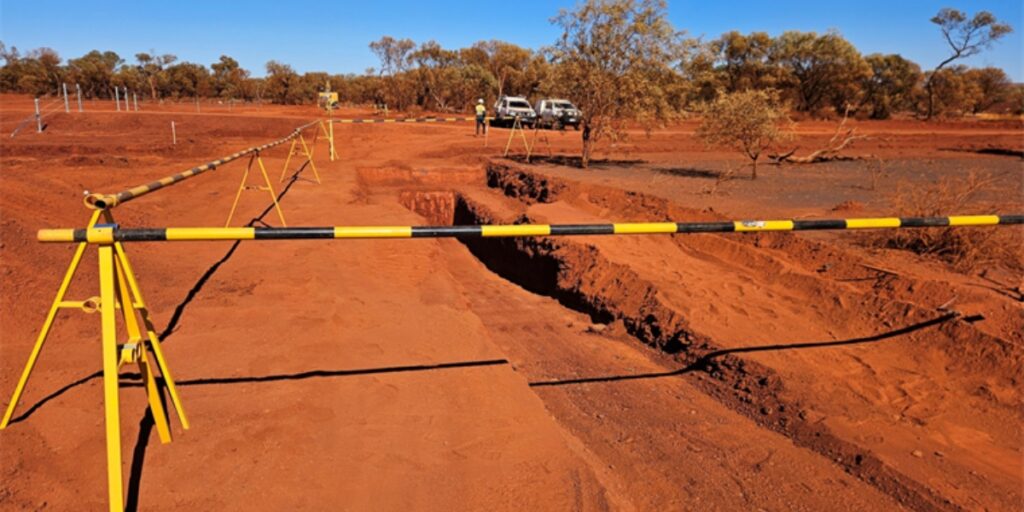
Hard barricading should not automatically be treated as certified edge protection or fall protection. The selected controls must be suitable for the excavation, surrounding conditions and identified risks.
Crushers, conveyors, screens, processing equipment and other fixed plant require regular inspection, servicing and repairs. These activities may involve exposed components, removed guarding, stored energy, tools, equipment and maintenance crews working around the plant.
2. Fixed Plant Maintenance
Creating a clearly defined restricted area can help separate the maintenance team from other workers moving through the facility. It also makes it easier to establish designated entry points and communicate that the equipment or surrounding area is under maintenance.
The required boundary may change throughout the job. A small inspection area can become a larger repair zone once components are removed or additional equipment is brought in. Modular hard barricading allows the layout to be adjusted without relying on improvised connections or loose sections.
Hard barricading does not replace plant isolation, lockout procedures or other required controls. It provides a visible physical boundary around the work area while those systems remain in place.
3. Shutdown Work
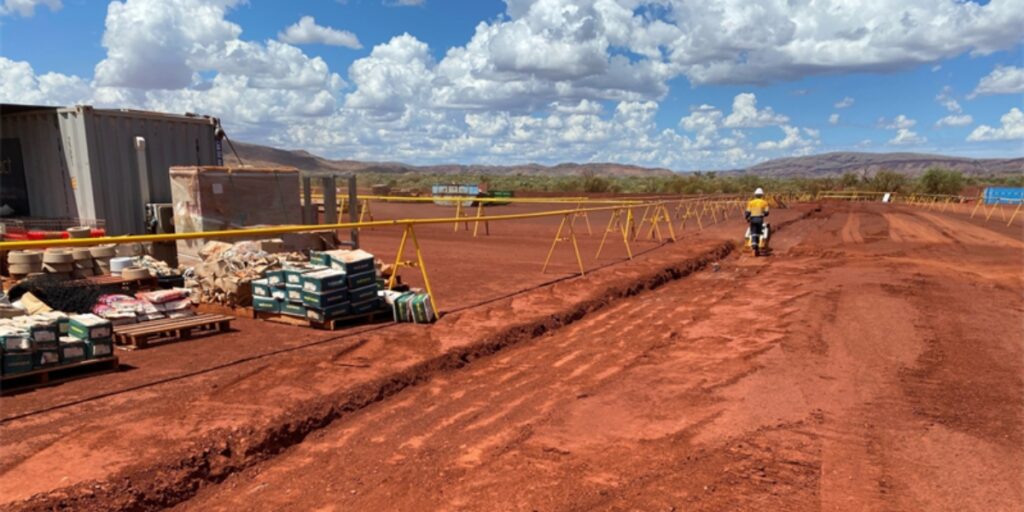
Mine shutdowns bring a high concentration of workers, contractors, tools and equipment into the same operational area. Multiple tasks may be completed simultaneously, often within tight timeframes.
Hard barricading can help separate individual work fronts, restrict access to higher-risk activities and make temporary site layouts easier to understand. Gates can be incorporated where authorised personnel need controlled entry without climbing over or moving the barricade.
Because shutdown work changes quickly, the barricading may need to move as tasks are completed and new work begins. A modular system can be shortened, extended or reconfigured around changing work areas.
Planning is particularly important during shutdowns. Barricading layouts should account for pedestrian routes, emergency access, nearby tasks, equipment movement and the number of workers expected in the area.
4. Lifting and Crane Operations
Crane lifts can involve suspended loads, moving equipment, outriggers and restricted operator visibility. Workers who are not directly involved in the lift may need to be kept outside the nominated lifting area.
Hard barricading may be used to define sections of the lifting zone, separate surrounding pedestrian movement or restrict access near the crane setup. Its stronger physical presence can make the boundary easier to recognise in busy areas where several activities are occurring at once.
The barricade layout must reflect the lift plan and site requirements. It should not interfere with crane operation, access routes or emergency procedures.
Hard barricading is not designed to stop a falling load or provide vehicle-impact protection unless the specific system has been engineered for that purpose. It is one part of controlling access and must be used alongside the lift plan, exclusion requirements, supervision and other nominated controls.
5. Electrical and Isolation Work
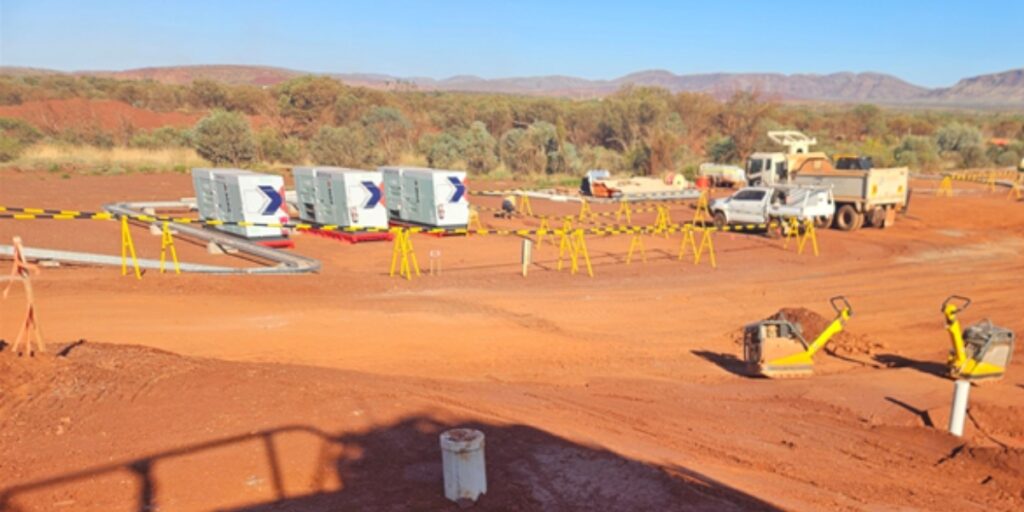
Electrical maintenance, testing and isolation work may require access to switchrooms, substations, control panels, cables or isolated equipment.
Hard barricading can help create a defined restricted area around the work and reduce the likelihood of other personnel entering unintentionally. A designated gate can also provide a clear point of entry for authorised workers.
The physical layout may need to account for approach distances, adjacent equipment, access to emergency controls and the possibility of the work area expanding during fault-finding or repairs.
Barricading does not electrically isolate equipment or protect workers from electrical energy. It supports access control while the required isolation, verification, permit and safe-work procedures are followed.
6. Scaffolding and Overhead Work
Scaffolding erection, alteration and dismantling can expose people below to falling tools, materials and components. Similar risks may arise during overhead maintenance or work performed from an elevating work platform.
Hard barricading may be used to restrict access beneath or around the activity and direct workers towards an alternative route. Compared with tape or bunting, a rigid barrier provides a more substantial boundary that is harder to cross or move unintentionally.
The size and position of the restricted area should reflect the work being performed above, potential falling-object paths and any equipment operating nearby. The boundary may also need to change as scaffolding progresses along a structure or overhead work moves to a new location.
Hard barricading does not replace scaffolding controls, overhead protection or falling-object prevention. It helps control access to the area identified through the site’s planning and risk assessment.
Choosing a Hard Barricading Setup
No two mine site work areas are exactly the same.
| Before selecting a hard barricading setup, consider: |
| The activity and hazards involved |
| Who needs to be kept outside the area |
| How workers will enter and exit |
| Nearby pedestrian, vehicle and plant movements |
| The shape and size of the required boundary |
| How long the barricading will remain in place |
| Whether the layout will change as work progresses |
| How the components will be stored and transported |
Eureka’s Hard Barricading System combines barricade poles, fixed and swivel A-frame legs, gates and purpose-built storage solutions. Components can be arranged around different work areas and reconfigured as mine site activities change.
Hard Barricading Built for Changing Mine Sites
Excavations, maintenance, shutdowns, lifting operations, electrical work and overhead activities can all require clearly controlled work areas.
Where the site determines that lightweight controls do not provide sufficient separation, hard barricading can create a strong, highly visible physical boundary around the activity.
Need help planning a suitable barricading setup? Contact Eureka Barricade Systems to discuss your site requirements.