
When selecting barricading for a worksite, the first question should be simple: does the area only need to be clearly marked, or is stronger physical separation required?
Soft and hard barricading can both be used to identify work areas and control access, but they do not provide the same type of separation. Understanding the practical difference helps site teams choose a barrier that suits the hazard, location and duration of the work.
What Is Soft Barricading?
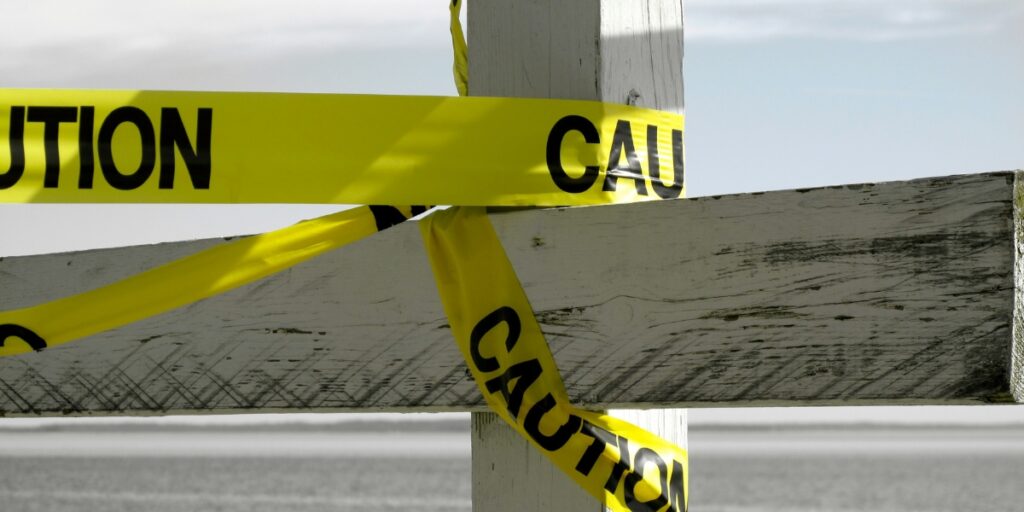
Soft barricading is a general term used for lightweight controls that mark the boundary of a work area or hazard. Depending on the site and its procedures, this may include:
- Barrier tape
- Bunting or flagging
- Plastic chain
- Lightweight barrier mesh
- Cones or portable delineators
The main purpose of soft barricading is to make a boundary visible and communicate that access is restricted or that additional caution is required.
It can be quick to install and easy to move, making it useful for short-term work areas and changing conditions. However, it provides limited physical resistance. Tape, bunting and lightweight mesh can be stepped over, moved or damaged and generally rely on people seeing, understanding and following the restriction.
What Is Hard Barricading?
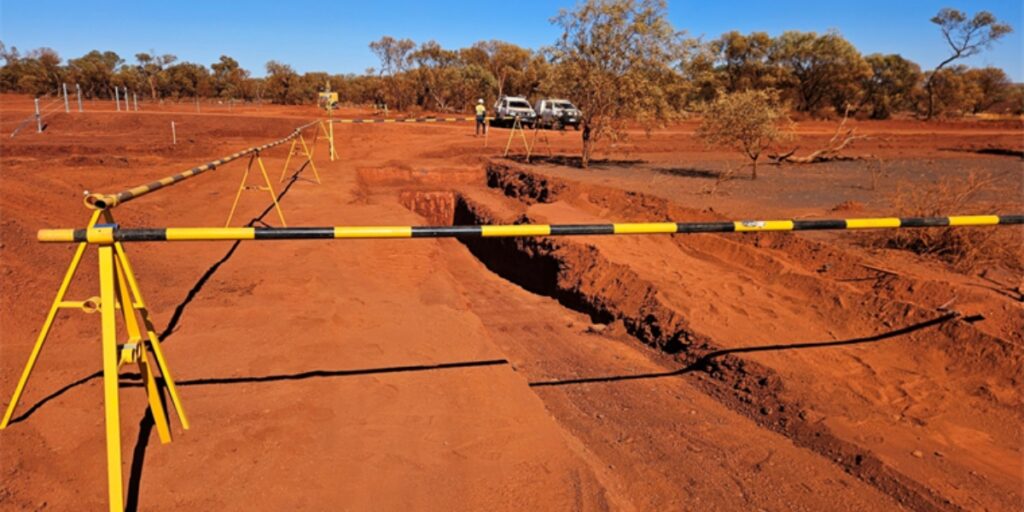
Hard barricading uses rigid components to form a more substantial physical boundary. Examples can include steel barricade rails, temporary fencing, guardrail-style systems and linked solid barriers.
Unlike tape or bunting, hard barricading places a physical obstacle between people and the restricted area. It is generally more difficult to pass through accidentally, move without authorisation or damage through normal site activity.
Hard barricading may be temporary and relocatable. The word “hard” describes the physical nature of the barrier, not whether it is permanently installed.
It is also important to recognise that not every rigid barricade is designed for the same purpose. A hard barricade should not automatically be treated as certified edge protection, a vehicle-impact barrier or a substitute for an engineered control. The selected system still needs to be suitable for the identified hazard and the requirements of the site.
What Is the Practical Difference?
The main difference between hard and soft barricading is the type of separation they provide.
Soft barricading primarily creates a visible boundary. It warns people that a hazard or controlled work area is present and communicates where access should be limited. This is usually very temporary.
Hard barricading creates both a visible boundary and a stronger physical restriction. It provides a more definite separation between the surrounding site and the barricaded area. These are usually more long-term barrier solutions.
There are practical differences in how each option performs onsite:
| HARD BARRICADING | SOFT BARRICADING |
| Heavy, substantial and durable – long lasting | Lightweight, fast to install and move – temporary |
| Makes accidental access difficult | Relies on awareness and compliance / policing |
| Suited to long installations | Heavily affected by weather and wind |
| Repeatable use across multiple projects | One time / project use only |
Neither option should be chosen based on convenience alone. The required level of separation must come first.
When Is Stronger Physical Separation Needed?
Hard barricading may be appropriate when the possible consequences of entering the area are more serious or when a lightweight boundary is unlikely to remain effective.
This could include areas around excavations, trenching, maintenance work, restricted plant areas and other higher-risk activities. It may also be preferred when the barricade will remain in place across multiple shifts or project stages.
Stronger physical separation should also be considered where:
- Several crews or contractors move through the surrounding area
- People may enter unintentionally
- The boundary needs to remain consistent for an extended period
- Weather or site activity could disturb lightweight barricading
- A clearly defined access point is required
- The layout needs to withstand repeated relocation and use
The final decision should always reflect the site’s risk assessment, procedures and applicable requirements.
What Should Be Considered When Choosing?
Before choosing between hard and soft barricading, consider what the barrier is expected to do.
Start with the hazard and the possible consequences of someone crossing the boundary. Then look at who may be exposed, including workers, contractors, visitors and members of the public.
The location matters as well. Consider nearby vehicles or plant, pedestrian routes, uneven ground, weather exposure, visibility and the number of ways people can approach the area.
Duration is another important factor. A soft barrier that is practical for a short task may become difficult to maintain over several weeks or months. Longer installations may require a more durable system, regular inspections and a controlled access point.
Site conditions can also change. The barricade may need to move as work progresses, extend around a larger area or form a different layout. Choosing a system that can be adapted without creating gaps or improvised connections can make ongoing site control much easier.
Supporting Changing Work Zones
Eureka’s Hard Barricading System provides a modular option for sites requiring stronger, relocatable separation.
Barricade poles, A-Frame legs and access gates can be arranged to suit different work areas and then reconfigured as the site changes. This allows straight runs, corners and designated entry points to be created using compatible components.
For mining, construction, civil and resource projects where exclusion zones regularly move, this provides a practical alternative to repeatedly installing fixed or improvised barricades.
Get the Right Barrier for the Job
Soft barriers may provide effective visual control for some temporary work areas. Where the site requires a more substantial physical boundary, hard barricading provides stronger and more clearly defined separation.
The correct choice depends on the hazard, access requirements, site conditions and how long the barrier will be needed.
Explore Eureka’s hard barricading range or contact our team for help selecting a suitable system for your site.